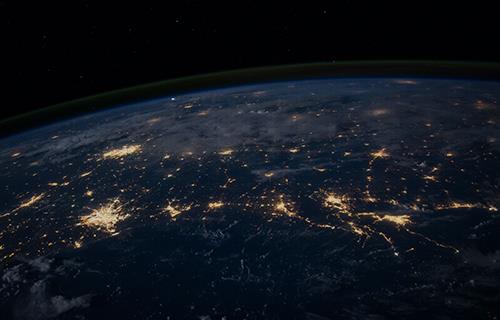
China‘s National Energy Administration recently reported that this summer, the country’s electricity load hit record highs three times, peaking at 1.553 billion kW, with 15 provincial grids breaking records 32 times in total. Two decades ago, summer blackouts were routine — today, electricity demand has multiplied, yet rolling blackouts have become a thing of the past. This sense of security comes from three pillars: sufficient generation capacity, a robust grid, and flexible dispatch.
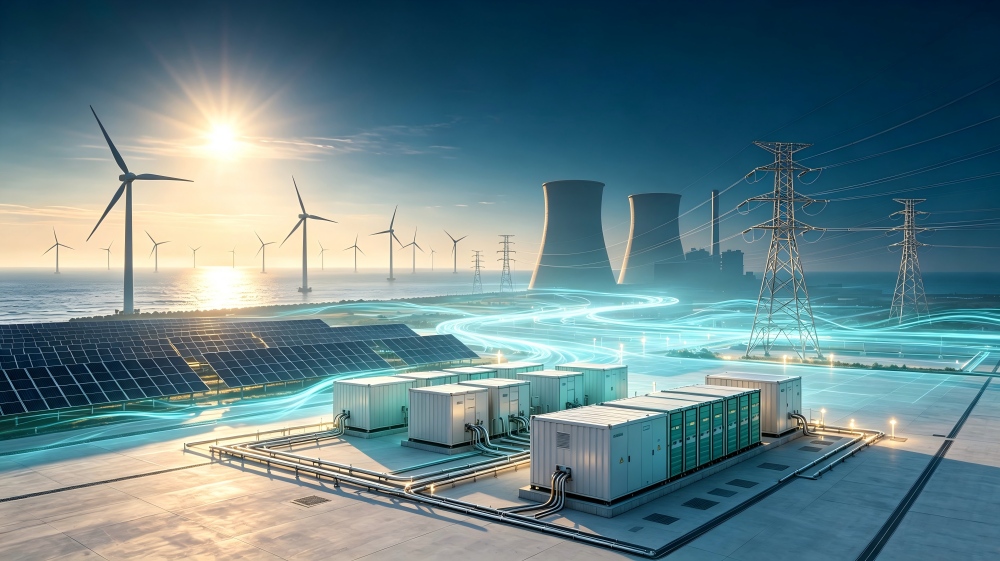
The most direct change lies on the generation side — wind, solar, and nuclear power are shifting from supporting roles to mainstream sources.
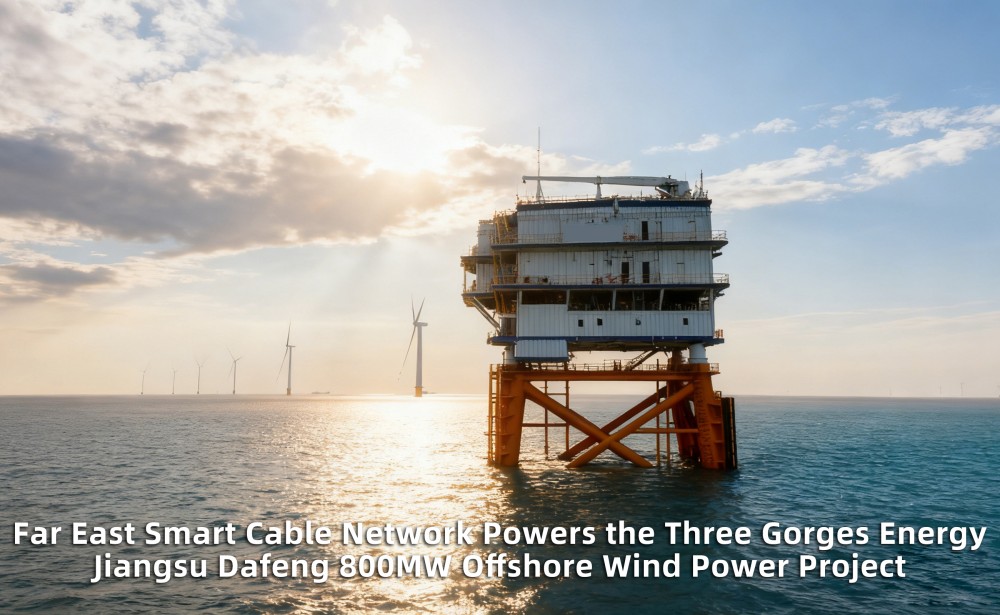
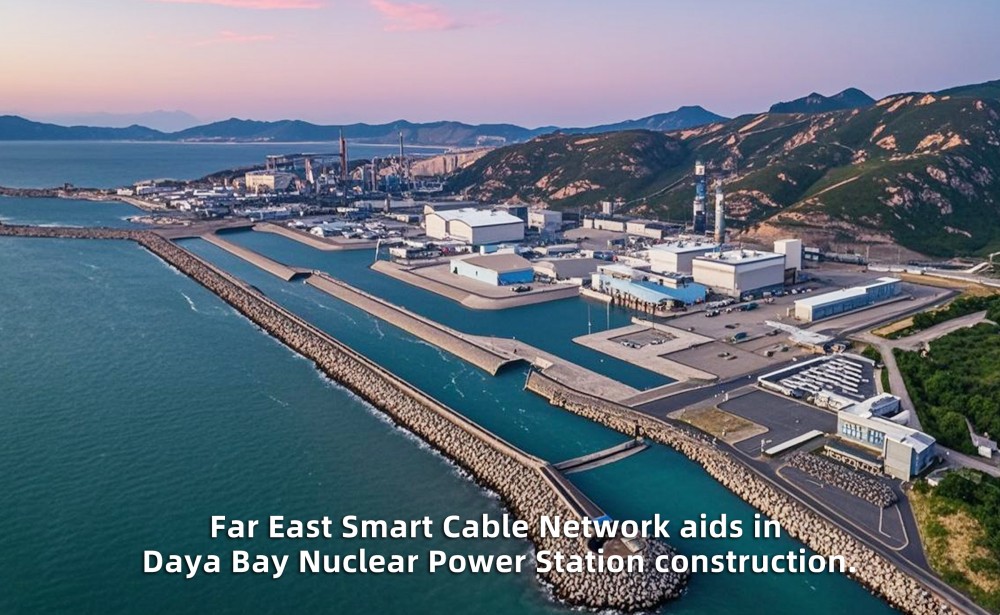
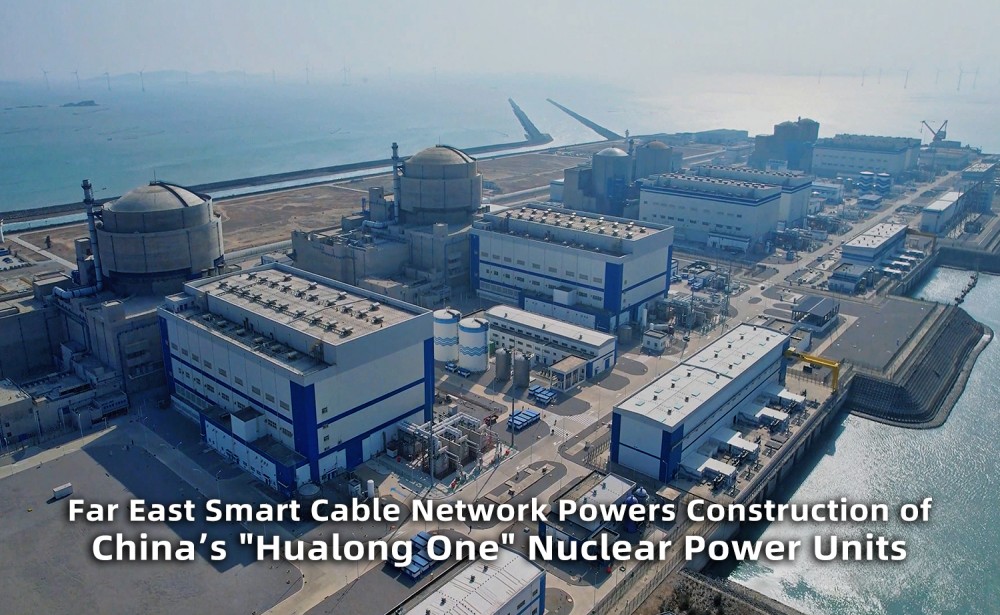
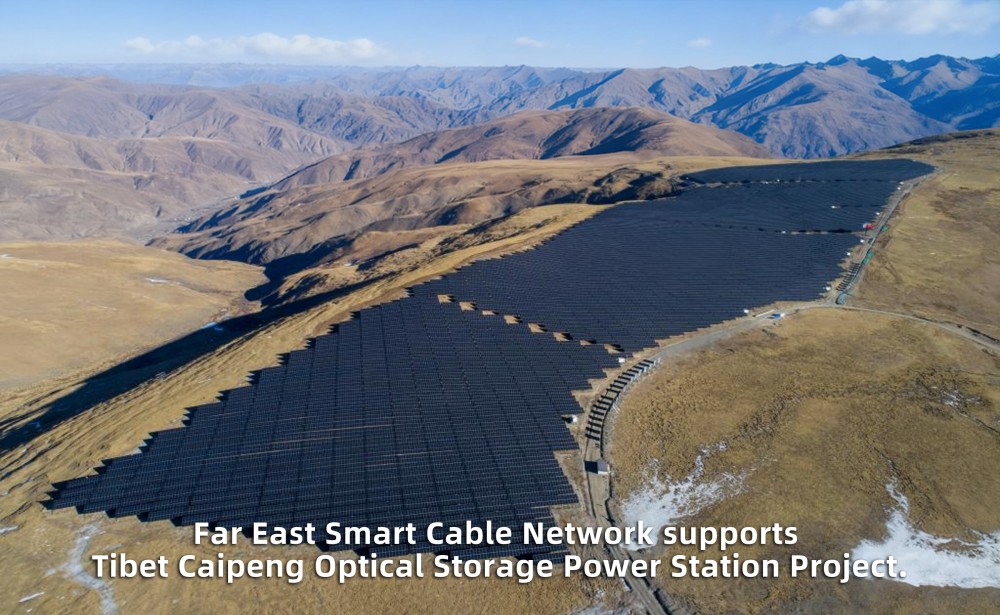
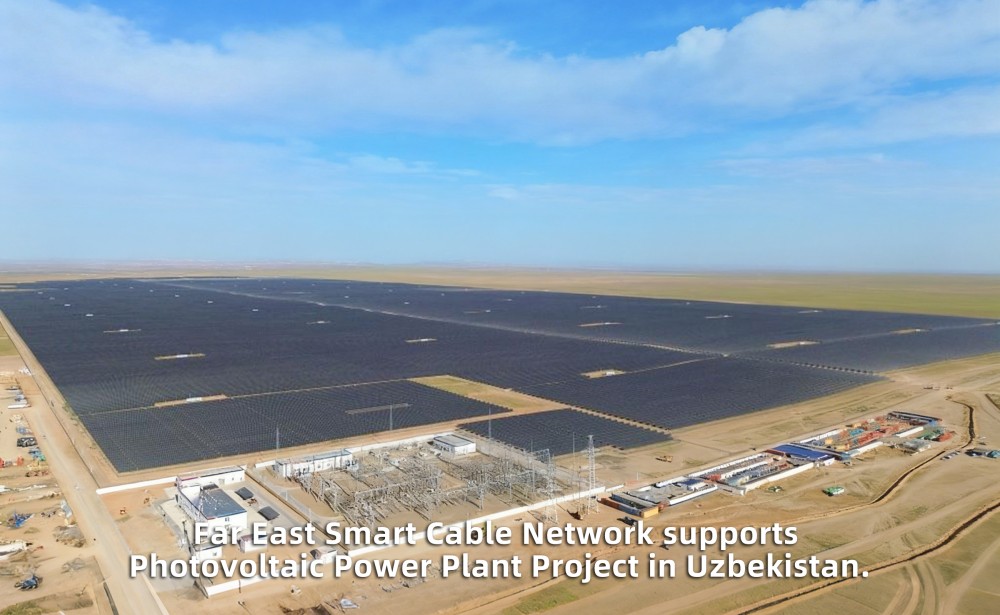
In 2025, China‘s total electricity consumption exceeded 10 trillion kWh for the first time, with wind and solar accounting for one-quarter of the total. Far East holds the No.1 market share in wind power cables in China and ranks among the global top three, with its products deployed in the Dafeng “Green Energy Island” offshore wind project — China’s farthest offshore wind project. Its nuclear power cables serve the Hualong One domestic and overseas first reactors and more than 30 nuclear units, making it one of the few suppliers in the industry to achieve 100% domestic production of nuclear-grade cables. Its photovoltaic cables cover over 100 projects, including fishery-solar complementation and plateau PV installations, with exports to Vietnam, the Philippines, Bangladesh, and others.
With generation secured, transmission becomes the critical test — and UHV lines serve as the “aerial corridors.”
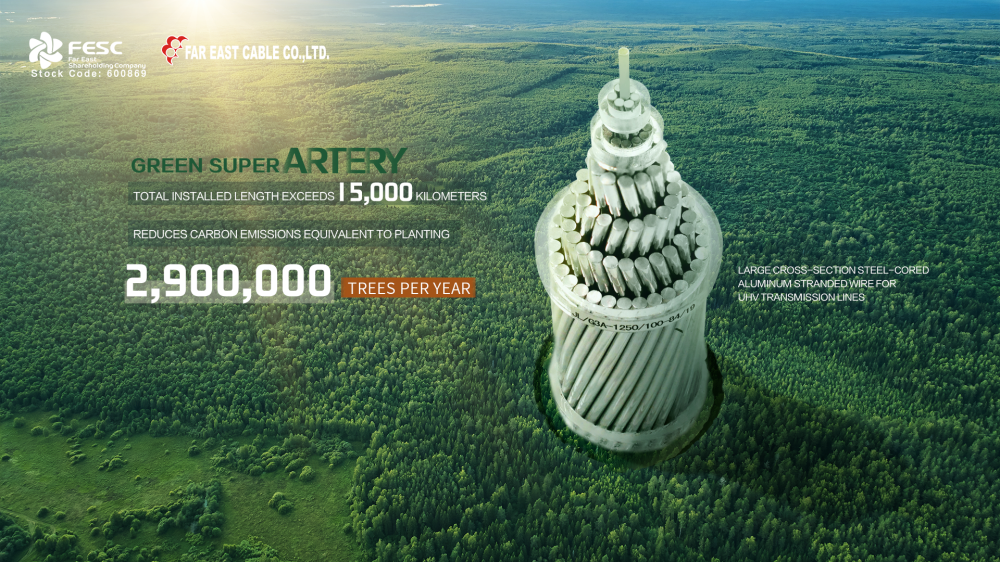
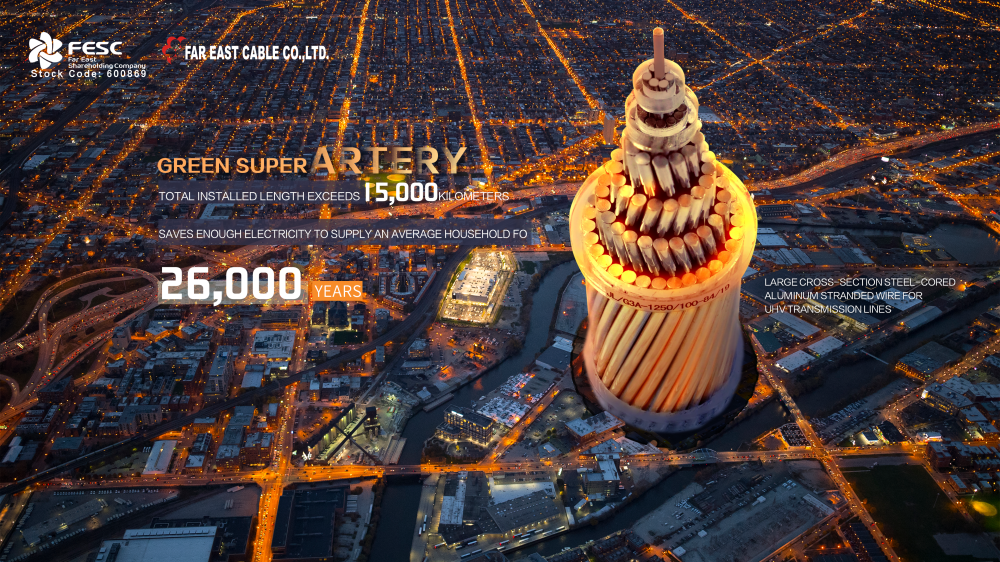
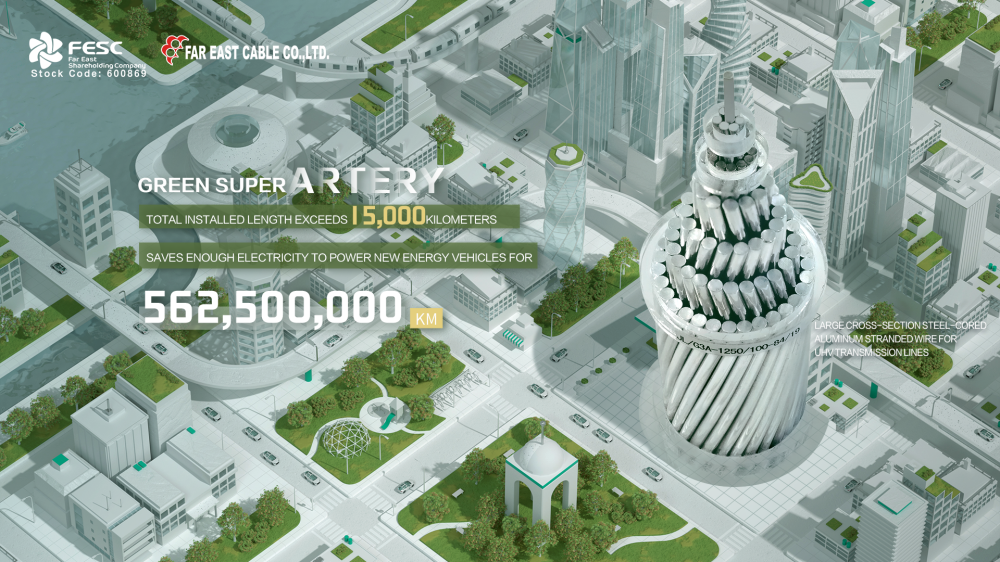
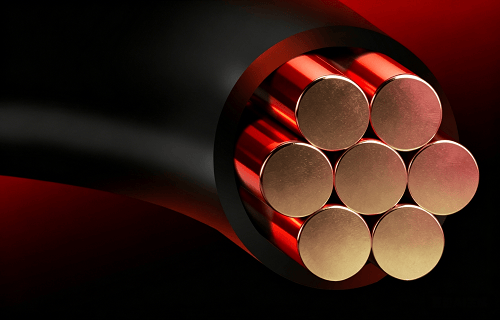
To date, China has 46 operational UHV lines, with a west-to-east power transmission capacity exceeding 340 million kW. Far East was among the earliest entrants into China‘s UHV conductor sector and has participated in nearly all major UHV projects, with its products covering 30+ lines across 16 provinces. The Changji–Guquan ±1100kV UHV DC project — the world’s highest voltage, largest capacity, and longest-distance UHV project, setting four global records — is a case in point, with Far East serving as a core supplier. Its proprietary high-conductivity aluminum stranded wire delivers approximately 2% higher conductivity than conventional products, saving 1,000–2,500 kWh per kilometer annually for every 1% gain in conductivity — equivalent to reducing 0.33–0.83 tons of standard coal and cutting CO₂ emissions by 0.86–2.2 tons.
Transmission alone is not enough — intelligent dispatch is equally essential.
During this summer‘s peak demand period, virtual power plants and new energy storage have been integrated into the unified dispatch system. When wind and solar output fluctuates, cross-regional coordination, storage regulation, and demand response are activated simultaneously — power is flexibly allocated across the country, directed to areas with shortages and stored where there is surplus. Energy storage is one of Far East’s mature business segments, with full-chain capabilities from R&D to system integration. In 2025, Far East Battery launched the industry‘s first -45°C ultra-low-temperature liquid-cooled energy storage container product, suitable for grid peak shaving and renewable energy integration across various scenarios.
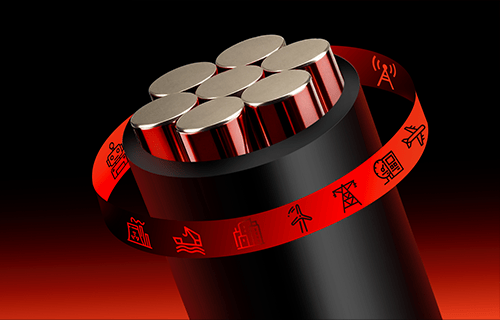
Wind, solar, and nuclear power generate electricity; UHV transmits it; energy storage holds and dispatches it — generation, transmission, and storage are closely interconnected. When electricity is no longer a source of concern, that is the grid’s most solid achievement. Across this expanding grid landscape, Far East spans the entire chain — generation, transmission, storage, and dispatch — covering every critical node. The grid continues to expand, and Far East remains at its core.


Tel:+86 510 87242500

E-mail:87242500@fese.com

Address:No. 8, Yuandong Avenue, Yixing, Jiangsu, China