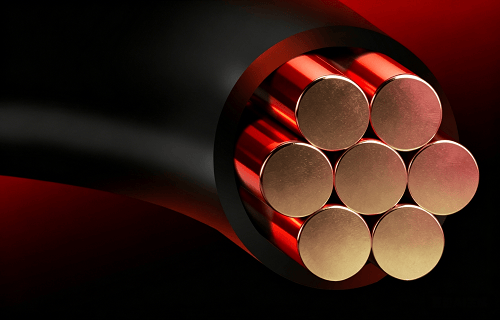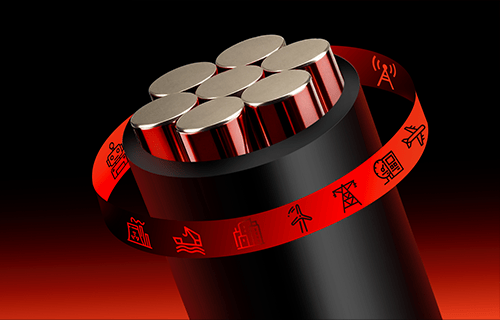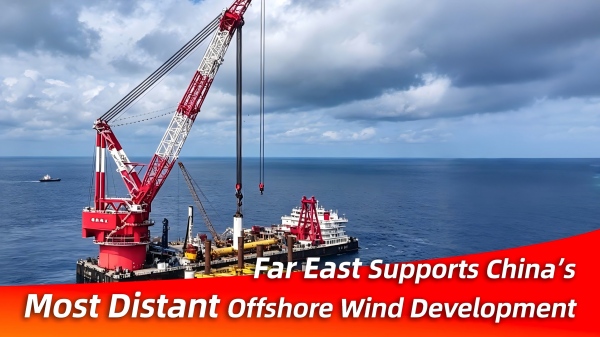
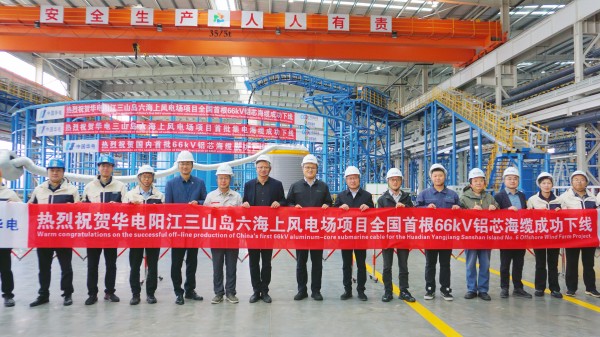
Recently, the Huadian Yangjiang Sanshan Island VI Offshore Wind Farm has commenced full construction. As a key supporting component of this project, China’s first 66kV aluminum core submarine cable — manufactured by Far East Submarine Cable — has drawn significant industry attention. This new-generation cable, specially designed for deep-sea wind power, marks a shift from the long-standing dominance of copper core solutions, turning the “aluminum-over-copper” concept from policy advocacy into real-world engineering application.
Located in the southern waters of Hailing Island, Yangjiang, Guangdong, the Sanshan Island VI project is the farthest offshore wind project currently under construction in China. It sits in waters nearly 50 meters deep, more than 80 kilometers from shore, with a total installed capacity of 500 MW, comprising 31 wind turbines of 16.2 MW each. Once fully completed, the project is expected to generate approximately 1.6 billion kWh of clean electricity annually, playing a significant role in optimizing Guangdong’s energy structure and advancing the country’s carbon peak and neutrality goals.
In offshore wind power systems, array submarine cables are responsible for transmitting electricity from each turbine to the offshore substation. Traditionally, copper core cables have dominated this space. However, as projects move further offshore and turbine capacities increase, the limitations of copper solutions — high material cost, heavy unit weight, and import dependency — have become increasingly apparent. To address the challenges posed by deep water, heavy waves, long distance, and the large number of turbines in the Sanshan Island VI project, the “aluminum-over-copper” technical route was adopted.
Far East Submarine Cable was entrusted with the manufacturing of this product. Tackling the technical difficulties of aluminum core cable production, the company conducted systematic R&D efforts, including conductor material selection, structural design, manufacturing processes, and product testing. Compared with copper, aluminum presents higher requirements in terms of creep resistance and long-term joint reliability. Far East’s engineering team made targeted process optimizations to ensure that the final product meets the required electrical performance, mechanical strength, and corrosion resistance for demanding deep-sea conditions. The resulting 66kV aluminum core cable meets all relevant national and industry standards, offering clear advantages including reduced engineering costs, lighter weight, and easier installation.

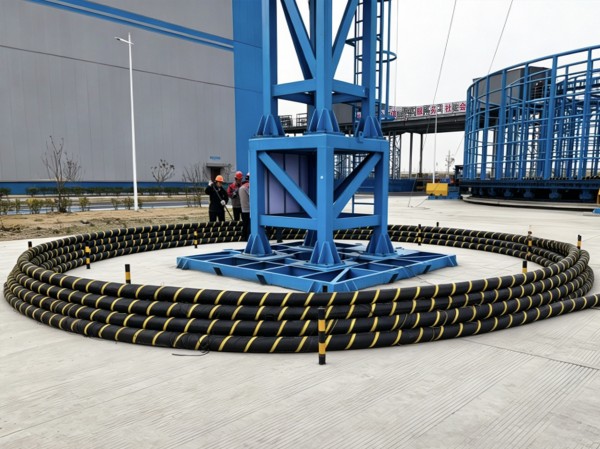

This delivery marks a significant milestone for Far East Submarine Cable in the deep-sea offshore wind equipment sector. From product manufacturing to system integration, Far East is steadily building its technical capabilities within the offshore wind industry. The successful application of China’s first 66kV aluminum core submarine cable opens a cost-effective and efficient alternative to traditional copper-based solutions, demonstrating Far East Submarine Cable’s strong delivery capacity in the manufacturing of critical submarine cable infrastructure.
On the journey to deep-blue energy, Far East Submarine Cable is moving forward with steady and determined strides.


Tel:+86 400-882-6908

E-mail:87242500@600869.com

Address:No. 8, Yuandong Avenue, Yixing, Jiangsu, China